Flood Insurance Policy Requirements in Illinois

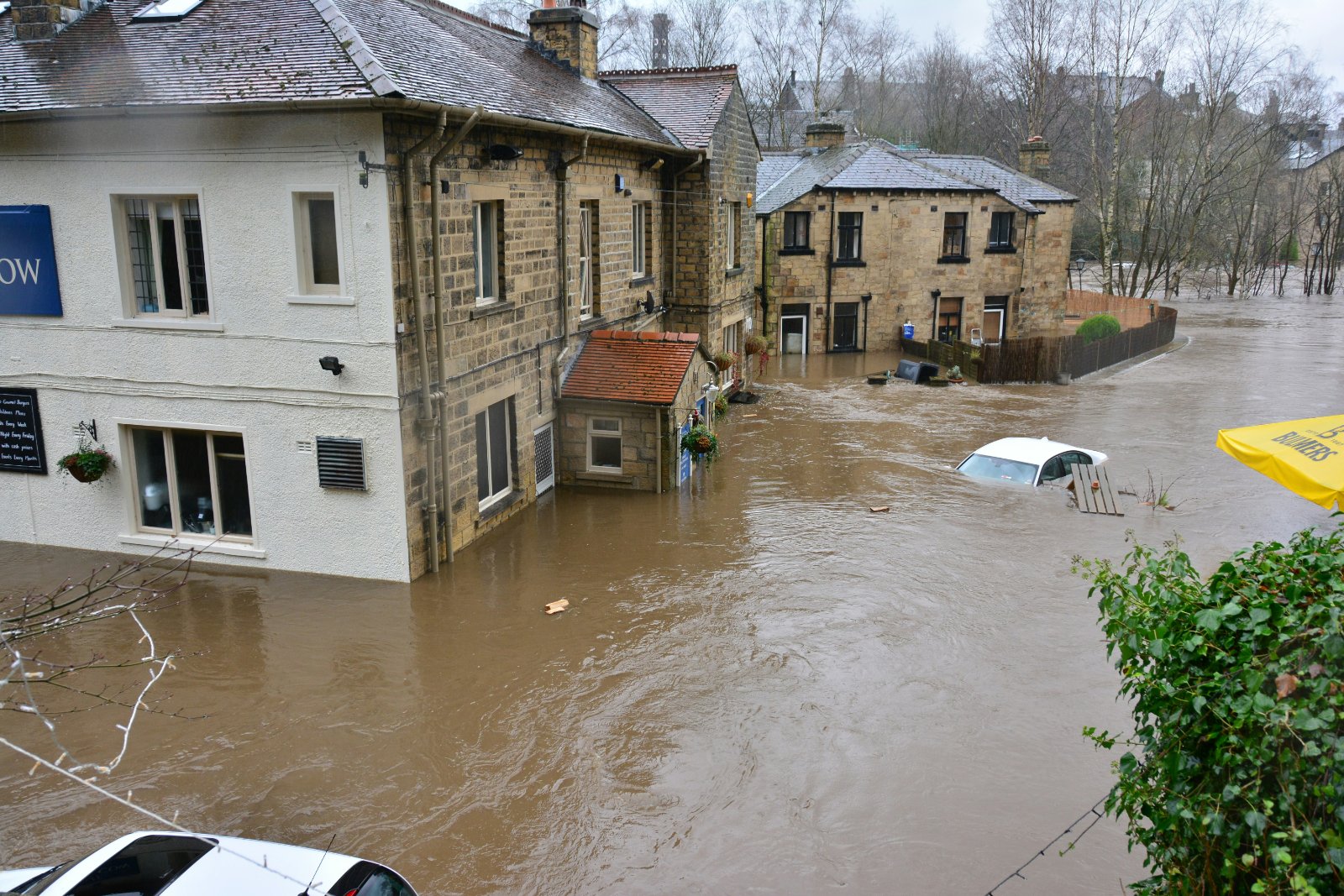
Learn about flood insurance requirements in Illinois, including coverage, mortgage conditions, and high-risk zones for property owners.
Understanding Flood Insurance in Illinois
Flood insurance is a critical financial protection for homeowners and businesses in Illinois, particularly given the state's vulnerability to flooding. While many assume they have sufficient coverage through their typical homeowner's or business insurance policies, flood damage usually isn't covered under those policies. Instead, flood insurance is a specialized type of property insurance designed to safeguard against financial losses stemming from flood-related incidents.
When is Flood Insurance Required?
In Illinois, flood insurance is typically required in two main scenarios:
- If you have a mortgage: Many lenders mandate flood insurance for properties situated within designated flood zones as a condition for providing financing.
- High-risk flood zones: If your property lies within a high-risk flood area, which FEMA designates as a Special Flood Hazard Area (SFHA), carrying flood insurance is generally necessary.
Moreover, even if you don’t live in a high-risk zone, acquiring flood insurance is often a wise decision. Homes outside these zones can still be affected by flooding, and having insurance can provide peace of mind.
The Role of the National Flood Insurance Program (NFIP)
Flood insurance policies in Illinois can be obtained through the National Flood Insurance Program (NFIP), which is overseen by FEMA. This government-backed program offers homeowners, renters, and businesses access to affordable flood insurance. Here are key benefits:
- Comprehensive coverage for structural damage and personal property
- Assistance in securing assistance from flood-related damage through federally funded programs
- The opportunity to receive a low-cost preferred risk policy if you live in a low- to moderate-risk area
To check eligibility for NFIP coverage, consult your local independent insurance agent, who can navigate the specifics of your situation.
Private Flood Insurance Options
If your community does not participate in the NFIP or if you need amounts exceeding the NFIP limits, you might consider private flood insurance. Here’s when private insurance can be beneficial:
- If your property's location is considered high-risk but isn’t covered under the NFIP
- If you need higher coverage limits than NFIP typically offers
- For quicker claim processing and potentially better customer service experiences
Keep in mind that private flood insurance policies can differ significantly from NFIP policies in terms of coverage and pricing.
What Does Flood Insurance Cover?
Flood insurance policies generally cover two main areas:
- Building Property Coverage: Covers the physical structure of your home or commercial property, including:
- Foundation and walls
- Electrical and plumbing systems
- Built-in appliances and other fixtures
- Personal Property Coverage: Protects your valuable belongings inside the building, including:
- Furniture and electronics
- Clothing and personal items
- Certain types of paperwork or documents
Thus, it’s crucial to review your policy carefully to ensure that it meets your coverage needs, especially if you own valuable items or a business. You can find more information on home insurance in Springfield, IL that might be helpful in understanding overlapping coverage areas.
Steps to Obtain Flood Insurance
If you determine that you need flood insurance, here are some steps to follow:
1. Assess Risk: Check FEMA flood maps or consult with an insurance agent to find out if your property is in a flood-prone area. 2. Contact an Independent Agent: Work with an independent insurance agent familiar with flood insurance to evaluate your coverage options. 3. Choose a Policy: Decide between NFIP or private flood insurance based on your risk assessment and coverage needs. 4. Review and Update Regularly: Regularly revisit your policy, especially after major changes such as renovations or if there are updates to flood zone maps.
By understanding your requirements and options for flood insurance, you’ll better be prepared to protect your property against the unpredictable nature of floods. If you need assistance navigating your flood insurance needs, don’t hesitate to contact us at Kover King Insurance.
Conclusion
Flood insurance is an essential consideration for Illinois residents due to the state’s propensity for flood risks. By knowing when insurance is required, understanding the role of the NFIP and private insurers, and recognizing what coverage entails, you can make informed decisions to safeguard your investments. Always consult with a local independent agent to tailor your needs and ensure optimal protection against floods.